WatchGuard industry security

Government & Public Sector

Protect citizen data, public services, distributed offices and workforce identities through centralised, resilient cybersecurity controls.

Industry overview

Government and public-sector organisations operate essential services, store sensitive citizen information and support distributed users, offices and public-access networks. Security incidents can affect community services, public trust and operational continuity.

ITMAP ASIA supports public-sector partners with WatchGuard network, endpoint, identity and Wi-Fi architectures designed for central visibility and manageable operations. Requirements must be aligned with the agency’s mandate, procurement rules, data classification and applicable Vietnamese public-sector regulations.
Security priorities

What the organisation needs to protect and enable.

01

Protect essential services

Reduce the chance that an incident interrupts public-facing or internal operations.

02

Secure citizen information

Control access to sensitive records and government applications.

03

Strengthen workforce identities

Protect administrators, remote users and cloud services from account compromise.

04

Standardise distributed agencies

Apply consistent policies and reporting across offices and facilities.

05

Support public connectivity

Separate guest or citizen Wi-Fi from government systems.

06

Improve response capacity

Centralise visibility and extend monitoring where internal staffing is limited.

Industry risk profile

Common attack paths and operational exposure.

Risk must be validated against the organisation’s real environment, threat model and business impact.

01

Ransomware against essential services

Downtime can affect citizens, public safety and agency operations.

02

Credential theft

Phishing and reused passwords can expose sensitive government systems.

03

Legacy infrastructure

Older applications and devices may be difficult to patch or replace.

04

Distributed offices

Inconsistent configuration and local administration create gaps.

05

Public-access networks

Guest or community connectivity must remain isolated from internal services.

06

Limited security staffing

Alert volume and fragmented tools can delay investigation and containment.

Operational requirements

Controls must fit how the organisation actually works.

Compliance names and legal obligations vary by country and organisation. Confirm applicable Vietnamese requirements independently.

01

Data and system classification

Identify critical services, sensitive information and required access levels.

02

Network segmentation

Separate agency, server, public, guest, management and specialised environments.

03

Strong identity controls

Apply MFA, least privilege and appropriate account lifecycle processes.

04

Centralised visibility

Maintain suitable logs, alerts and reports across sites and security layers.

05

Service continuity

Plan redundancy, backup connectivity, recovery and incident communications.

06

Governance alignment

Map controls to applicable Vietnamese laws, agency policies, contracts and audit requirements.

Recommended architecture

WatchGuard layers commonly considered for this environment.

Products, subscriptions and service coverage must be sized and confirmed for the project.

01

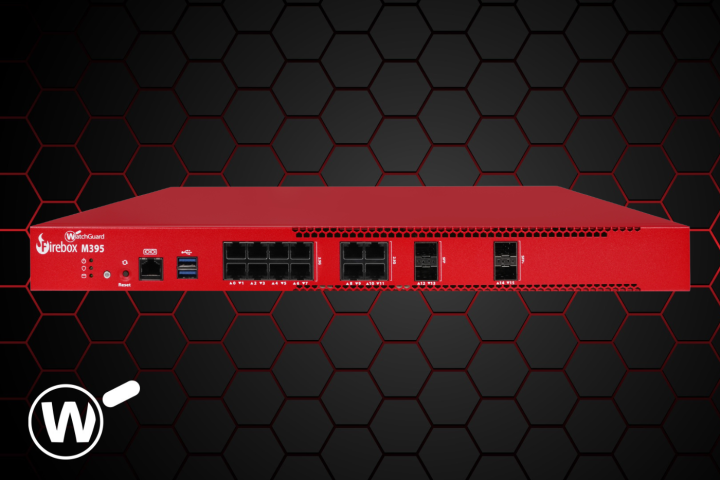
WatchGuard Firebox

Protect distributed offices, internet access, VPNs and segmented government networks.

02

WatchGuard Endpoint Security

Secure supported laptops, workstations and servers with prevention and response.

03

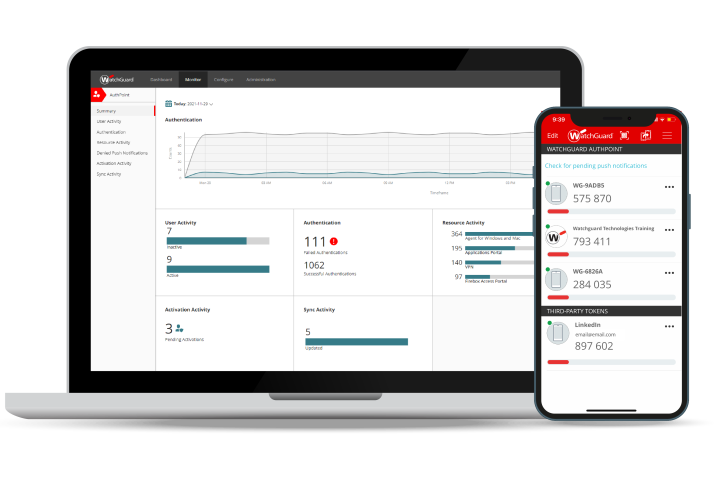
AuthPoint MFA

Protect remote, privileged and supported cloud-application access.

04

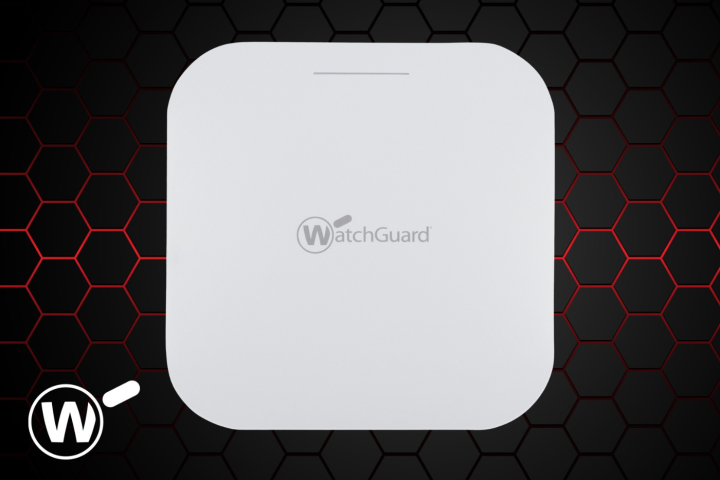
WatchGuard Secure Wi-Fi

Separate staff, public and specialised wireless connectivity.

05

WatchGuard Cloud

Centralise management, monitoring and reporting.

06

ThreatSync XDR or WatchGuard MDR

Improve correlation, investigation and continuous response where selected and eligible.

Common use cases

Where the architecture is applied.

+

Municipal and agency offices

Standardise firewall, VPN and endpoint controls across locations.

+

Citizen-service protection

Segment and monitor systems supporting public-facing services.

+

Public Wi-Fi

Separate community access from internal agency networks.

+

Remote and field workforce

Protect identities, endpoints and access outside government offices.

+

Privileged administration

Require stronger authentication and controlled access to critical systems.

+

Limited-staff security operations

Use centralised management and eligible managed monitoring to reduce operational burden.

Frequently asked questions

Clarify architecture and responsibility before implementation.

Why are public-sector organisations targeted?

They hold sensitive information, operate essential services and may have limited resources or legacy systems, making disruption and extortion attractive to attackers.

How should public Wi-Fi be deployed?

Public access should use separate network segments, policies and management from agency systems and sensitive services.

Can WatchGuard help meet government compliance requirements?

WatchGuard controls can support security and reporting objectives, but the agency remains responsible for interpreting and meeting applicable Vietnamese requirements.

What is the role of MDR for a public-sector organisation?

Eligible MDR services can extend monitoring and containment coverage, but operational authority, escalation and recovery responsibilities must be defined during onboarding.

Industry consultation

Translate operating requirements into a practical WatchGuard architecture.

ITMAP ASIA will review the environment, risks, critical systems, users and project target before recommending products, licences and the next delivery step.

Request a Quote