WatchGuard industry security

Retail & Hospitality

Protect transactions, point-of-sale devices, guest Wi-Fi, staff access and multi-site operations without adding unnecessary local administration.

Industry overview

Retailers, hotels, restaurants and hospitality groups operate always-on environments with payment systems, guest Wi-Fi, booking platforms, staff devices, cameras and many distributed locations. Security must protect transactions and customer trust while keeping every site operational.

ITMAP ASIA helps partners create repeatable WatchGuard architectures for stores, restaurants, hotels and central offices. Centralised management, network segmentation, endpoint protection, identity controls and secure wireless access reduce operational overhead and help maintain consistent protection.
Security priorities

What the organisation needs to protect and enable.

01

Protect transactions

Isolate payment and point-of-sale systems from guest and general user traffic.

02

Standardise every location

Apply repeatable configuration, monitoring and reporting across stores or properties.

03

Secure guest Wi-Fi

Separate public access from internal systems while maintaining acceptable performance.

04

Protect endpoints

Secure POS, back-office devices, workstations and supported servers.

05

Control staff identities

Reduce risk from stolen credentials and changing workforce access.

06

Maintain availability

Minimise disruption to booking, payment, customer service and property operations.

Industry risk profile

Common attack paths and operational exposure.

Risk must be validated against the organisation’s real environment, threat model and business impact.

01

Payment and customer-data exposure

Attackers target transaction, loyalty, reservation and identity information.

02

Guest-to-business network crossover

Weak segmentation can expose internal or payment systems.

03

Compromised POS or back-office endpoints

Malware and stolen credentials can spread across a location.

04

Configuration drift

Large numbers of sites can operate with inconsistent policies and firmware.

05

High staff turnover

Accounts and privileges may not be removed or adjusted promptly.

06

Third-party systems

Payment processors, booking platforms and service vendors add dependencies and access paths.

Operational requirements

Controls must fit how the organisation actually works.

Compliance names and legal obligations vary by country and organisation. Confirm applicable Vietnamese requirements independently.

01

Payment-network separation

Keep cardholder and transaction systems within controlled network segments.

02

Centralised site management

Standardise firewall, Wi-Fi, monitoring and reporting across locations.

03

Guest-access isolation

Use separate policies, encryption and appropriate content controls.

04

Endpoint security

Protect supported POS, office and operational devices.

05

Identity lifecycle

Apply MFA where appropriate and remove access promptly when roles change.

06

Operational resilience

Maintain backup connectivity, documented recovery and escalation for business-critical sites.

Recommended architecture

WatchGuard layers commonly considered for this environment.

Products, subscriptions and service coverage must be sized and confirmed for the project.

01

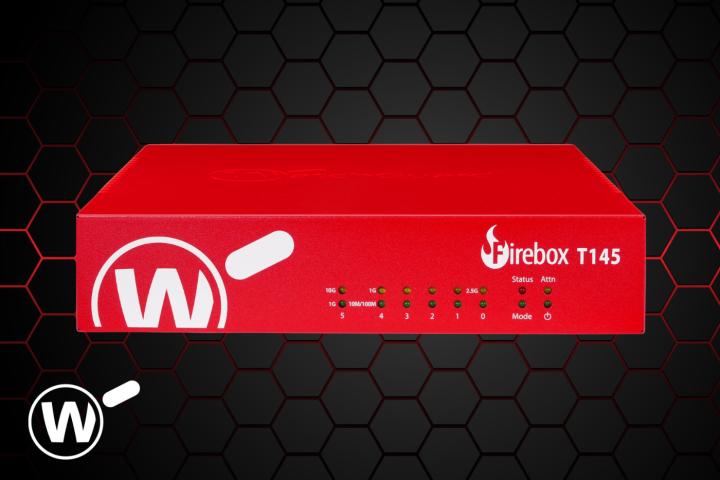
WatchGuard Firebox

Protect site internet access, segment payment and business networks, and connect locations securely.

02

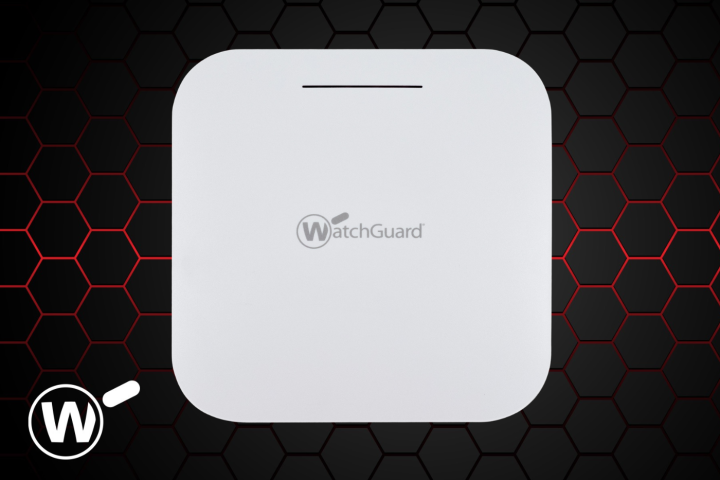
WatchGuard Secure Wi-Fi

Separate guest, staff and operational wireless access with centralised management.

03

WatchGuard Endpoint Security

Protect supported POS, back-office and server systems.

04

AuthPoint MFA

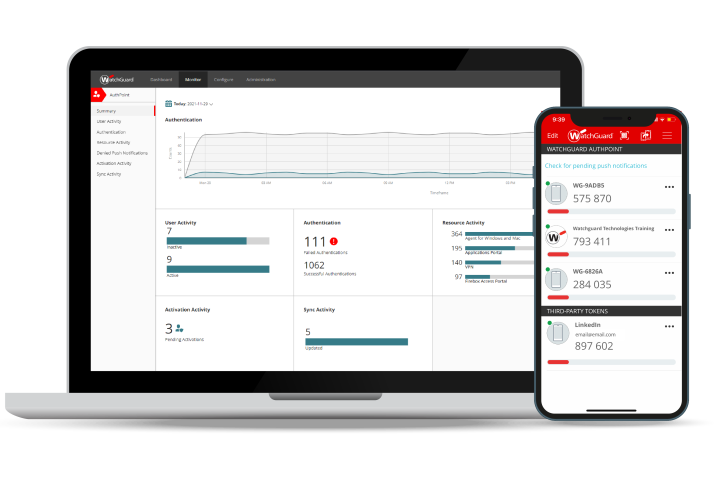
Secure remote administration, cloud services and supported workforce access.

05

WatchGuard Cloud

Standardise configuration, visibility and reporting across multiple locations.

06

WatchGuard MDR

Extend monitoring and containment where continuous coverage is required and prerequisites are met.

Common use cases

Where the architecture is applied.

+

Store and restaurant security

Protect payment, office, camera and staff networks at each branch.

+

Hotel guest Wi-Fi

Isolate public access from property-management and business systems.

+

Centralised chain management

Apply common policies and visibility across many sites.

+

POS endpoint protection

Reduce malware and ransomware risk on supported transaction devices.

+

Secure remote administration

Protect access used by central IT and authorised service providers.

+

New-site rollout

Deploy a repeatable firewall, Wi-Fi and endpoint blueprint for expansion.

Frequently asked questions

Clarify architecture and responsibility before implementation.

Why must guest Wi-Fi be separated from business systems?

Guest devices are unmanaged and should not have a route to payment, reservation, camera, office or management systems.

Can the same configuration be used at every store?

A common baseline is useful, but WAN, user, application, interface and site requirements should still be validated.

Does WatchGuard support PCI DSS compliance?

WatchGuard technologies can support segmentation, access control, monitoring and reporting. The organisation remains responsible for the complete PCI DSS programme and validation.

Which Firebox is suitable for a branch?

Selection depends on users, devices, inspected throughput, WAN links, interfaces, VPNs and growth. ITMAP ASIA should size the model before quotation.

Industry consultation

Translate operating requirements into a practical WatchGuard architecture.

ITMAP ASIA will review the environment, risks, critical systems, users and project target before recommending products, licences and the next delivery step.

Request a Quote