WatchGuard industry security

Healthcare

Protect patient information, clinical operations, connected devices and remote care with layered, centrally managed security.

Industry overview

Healthcare providers must keep systems available while protecting patient information, clinical workflows, staff identities and connected devices. Clinics, hospitals, laboratories and care facilities have different operating models, but all require reliable access and strong protection.

ITMAP ASIA helps partners design WatchGuard architectures that combine network segmentation, endpoint protection, secure Wi-Fi, MFA and centralised visibility. Any design must account for clinical availability, medical-device constraints, telehealth, third parties and applicable privacy or healthcare obligations.
Security priorities

What the organisation needs to protect and enable.

01

Patient privacy

Protect sensitive records and limit access to authorised users and systems.

02

Clinical availability

Reduce the likelihood that security incidents interrupt essential services.

03

Identity protection

Strengthen access for clinicians, administrators, remote workers and third parties.

04

Connected-device segmentation

Isolate medical, guest, administrative and infrastructure traffic.

05

Telehealth security

Protect remote access, cloud services and user authentication.

06

Unified visibility

Give IT teams practical monitoring and reporting across locations and security layers.

Industry risk profile

Common attack paths and operational exposure.

Risk must be validated against the organisation’s real environment, threat model and business impact.

01

Ransomware and operational disruption

Healthcare organisations face high pressure to restore critical services quickly.

02

Stolen credentials

Shared workflows, remote access and phishing can expose clinical and administrative systems.

03

Legacy and specialised devices

Some medical or operational devices cannot be patched or protected like standard endpoints.

04

Flat networks

Poor segmentation can allow threats to move between user, server and device environments.

05

Third-party access

Vendors, laboratories and service providers may require controlled remote access.

06

Data exposure

Misconfiguration, compromised endpoints or excessive privileges can expose sensitive records.

Operational requirements

Controls must fit how the organisation actually works.

Compliance names and legal obligations vary by country and organisation. Confirm applicable Vietnamese requirements independently.

01

Availability-aware design

Plan security changes, redundancy and rollback around clinical operations.

02

Network segmentation

Separate clinical, medical-device, administrative, guest and management zones.

03

Strong identity controls

Apply MFA and least-privilege access where supported.

04

Endpoint and server protection

Use prevention, EDR and response capabilities appropriate to supported systems.

05

Secure wireless access

Control staff, patient, guest and device connectivity through distinct policies.

06

Monitoring and incident readiness

Establish central visibility, escalation and recovery procedures.

Recommended architecture

WatchGuard layers commonly considered for this environment.

Products, subscriptions and service coverage must be sized and confirmed for the project.

01

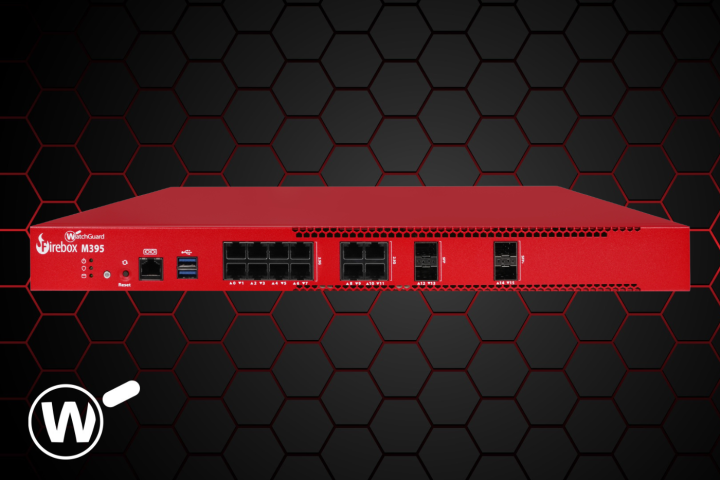
WatchGuard Firebox

Segment and protect clinical, administrative, guest and remote-access networks.

02

WatchGuard Endpoint Security

Protect supported workstations and servers from malware, ransomware and advanced attacks.

03

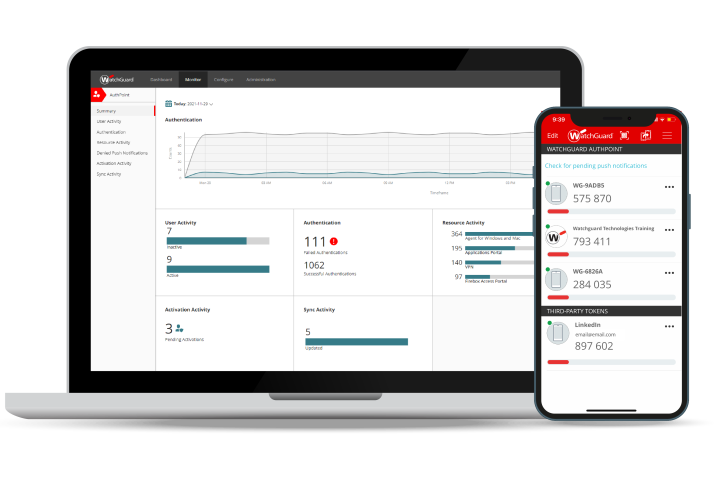
AuthPoint MFA

Secure remote, administrative and supported application access.

04

WatchGuard Secure Wi-Fi

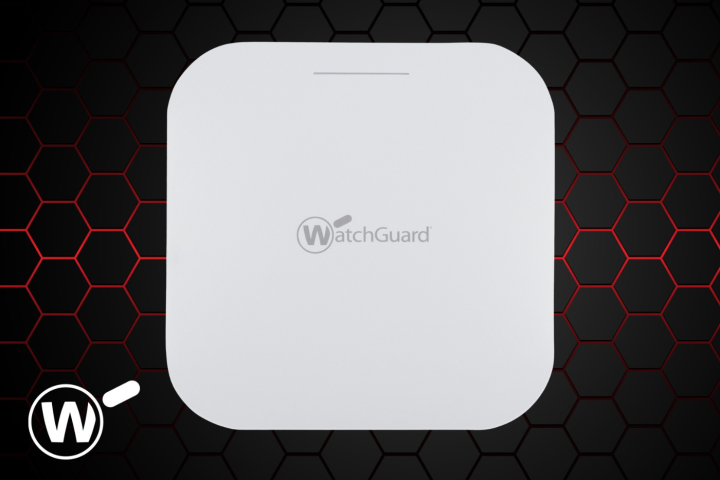
Provide centrally managed, segmented connectivity for staff, guests and compatible devices.

05

WatchGuard Cloud

Centralise administration, visibility and reporting.

06

ThreatSync XDR or MDR

Improve detection and response where licences, telemetry and operational requirements support it.

Common use cases

Where the architecture is applied.

+

Clinic and hospital segmentation

Separate patient, clinical, administrative, guest and device traffic.

+

Secure telehealth access

Protect identities and access to remote-care systems.

+

Shared-workstation protection

Apply endpoint controls and appropriate user access policies.

+

Medical-device isolation

Reduce exposure for systems that cannot be managed like standard endpoints.

+

Third-party maintenance access

Limit vendor connectivity to approved systems and time periods.

+

Multi-site healthcare operations

Standardise security policies and visibility across facilities.

Frequently asked questions

Clarify architecture and responsibility before implementation.

How should medical devices be protected?

Devices should be inventoried, segmented and monitored. Controls depend on device capability, vendor support and clinical requirements.

Can MFA be used for telehealth and remote administration?

AuthPoint can protect supported VPNs, systems and cloud applications. Integration and workflow must be validated for the environment.

Does endpoint security support every medical system?

No. Operating-system, application and vendor compatibility must be checked before deployment. Unsupported devices may require network-based controls.

How should changes be introduced in a clinical environment?

Use approved maintenance windows, backups, testing, rollback plans and clinical stakeholder sign-off.

Industry consultation

Translate operating requirements into a practical WatchGuard architecture.

ITMAP ASIA will review the environment, risks, critical systems, users and project target before recommending products, licences and the next delivery step.

Request a Quote